

Your Weekly Large Format Print Briefing - Week 2, 2026
Your weekly 5-minute intelligence briefing for large format print professionals

Week 2 closed out with a familiar signal: the industry spent the first full week of 2026 refining execution rather than chasing novelty. Roland DG optimized daily maintenance on the TY-300, OnPrintShop tightened web-to-print workflows, and pre-show announcements for Heimtextil and C!Print confirmed that AI and sustainability have shifted from experimental features to operational requirements.
📢 This Week in Wide Format Brief
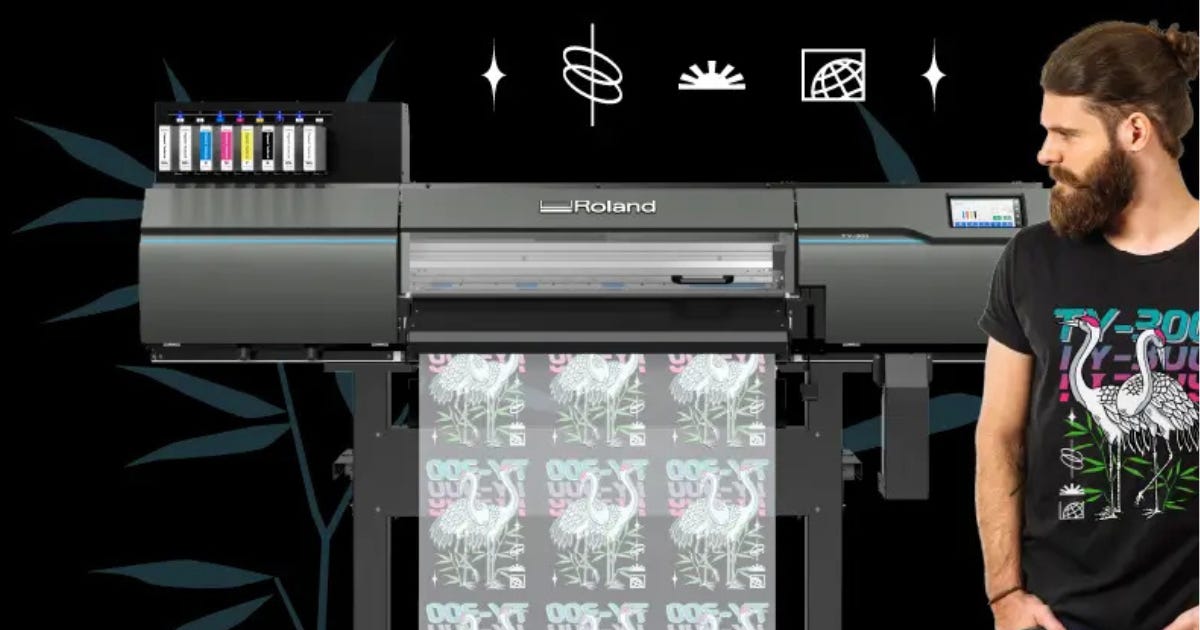
Roland DG upgraded the TY-300 DTF printer with larger ink tanks and automated maintenance to reduce downtime.
Messe Frankfurt previewed AI-driven textile design workflows ahead of Heimtextil 2026.
OnPrintShop released v12.3 with enhanced B2B ordering features and workflow automation.
Digidelta announced “Biond,” a new line of PVC-free sustainable films for C!Print Madrid.
Antalis expanded its Coala interior film range to target growing architectural markets.
📰 Top 5 Headlines This Week
Roland DG TY-300 Enhancements
Summary:
Roland DG updated its TY-300 DTF printer with larger ink tanks and automated maintenance features designed to reduce downtime. The enhancements focus on white ink stability and reducing the frequency of manual interventions during high-volume production.
Industry takeaways:
Doubled white ink capacity reduces tank replacement frequency.
New “Smart Circulation” stabilizes white ink flow during idle periods.
User-replaceable maintenance components minimize service calls.
Why It Matters:
DTF only scales when it becomes predictable. Systems like the updated TY-300 matter because they reduce daily maintenance touchpoints, making training easier and production less dependent on a single “expert” operator to keep the white ink flowing.

Heimtextil Puts AI in the Center
Summary:
Heimtextil 2026 previewed a dedicated focus on AI, framing it as a tool for efficiency and sustainability rather than just creative generation. The event program highlights AI’s role in optimizing pricing, distribution, and reducing material waste through smarter design.
Industry takeaways:
AI positioned as a tool for “process optimization” rather than just art generation.
New “Texpertise Stage” focuses on practical AI implementation in workflows.
Trends emphasize combining high-tech tools with traditional craftsmanship.
Why It Matters:
AI in textile printing moved from “generative art” to “process optimization.” For print shops, the value isn’t creating wild images—it’s shortening the distance between a client’s vague idea and a printable file that doesn’t waste fabric or ink.
OnPrintShop v12.3 Live
Summary:
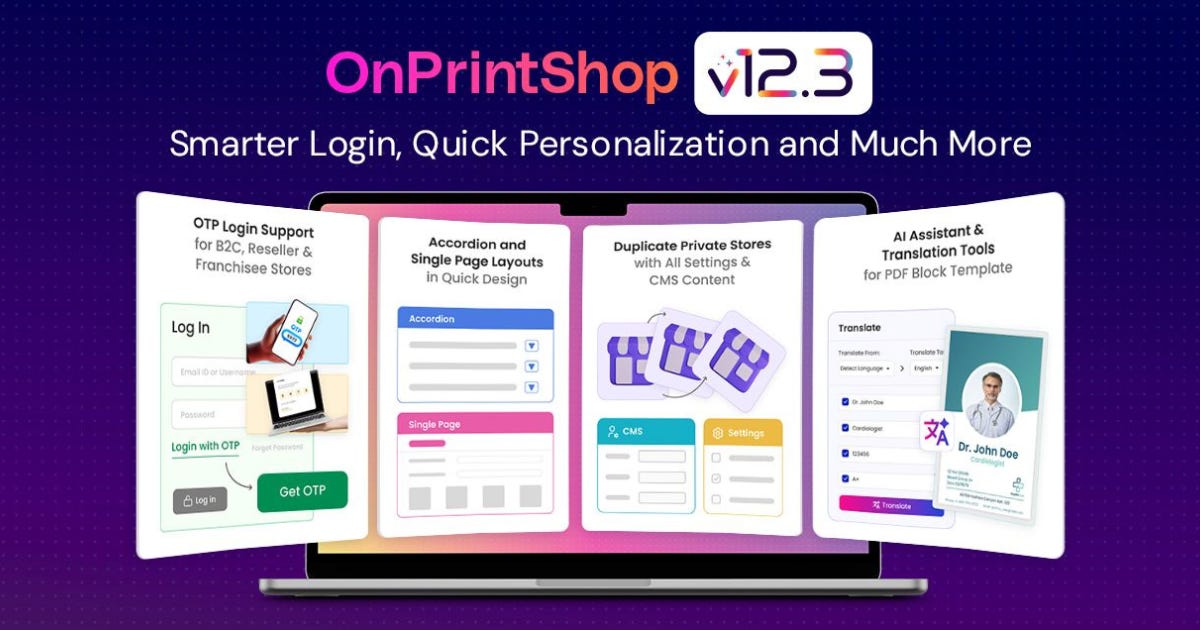
OnPrintShop launched version 12.3, focusing on speed improvements and deeper integration for B2B storefronts. The update introduces OTP-based logins and mass template personalization to streamline the ordering process for high-volume clients.
Industry takeaways:
OTP-based login simplifies access for B2C and B2B users.
Mass template personalization allows bulk data uploads for variable data printing.
Enhanced “Quick Design” UI reduces clicks for end-users.
Why It Matters:
Web-to-print friction kills repeat business. Improvements that speed up reordering for B2B clients matter more for long-term growth than new customer acquisition tools. Reducing the steps a client takes to reorder a banner directly protects that account from competitors.
Digidelta Launches Biond Sustainable Films
Summary:
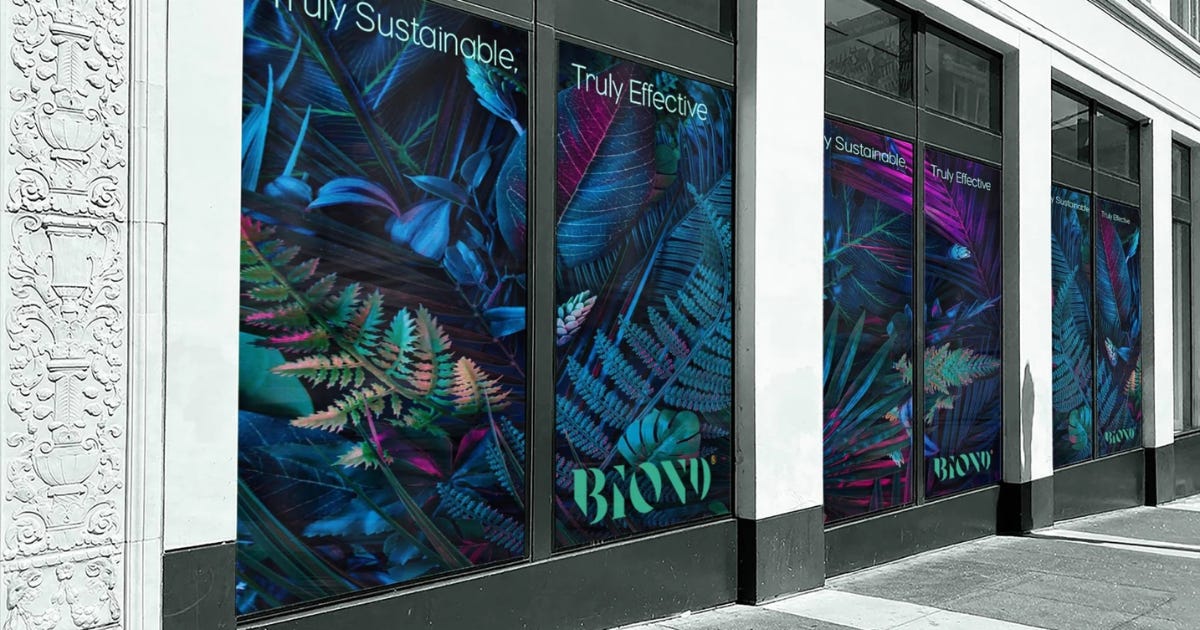
Digidelta unveiled “Biond,” a PVC-free sustainable film range, positioning it for the regulatory-conscious European market at C!Print Madrid. The materials are bio-based but engineered to match the performance and application characteristics of traditional vinyl.
Industry takeaways:
PVC-free formulation addresses growing corporate ESG requirements.
“Dot Matrix” adhesive technology simplifies installation and repositioning.
Designed to perform identically to traditional PVC vinyls during application.
Why It Matters:
Corporate buyers continued to demand numbers, not slogans. Materials like Biond matter because they allow shops to meet strict ESG requirements in RFPs without disrupting the installation workflow or forcing installers to relearn how to wrap a vehicle.

Antalis Pushes Architectural Interiors at C!Print
Summary:
Antalis showcased updates to the Coala range, specifically targeting the architectural and interior design markets at C!Print Madrid. The company demonstrated live wrapping applications to highlight the material’s versatility for renovation projects.
Industry takeaways:
Focus shifting from standard signage to high-margin interior renovation.
Live demos emphasized the importance of application technique.
Coala range expanded to offer more textured and architectural finishes.
Why It Matters:
Diversification remains the best hedge against margin compression. Moving from commoditized signage to architectural finishes offers higher margins, provided the installation training keeps pace with the material quality.
🎯 This Week’s Strategic Takeaway
The first full production week of 2026 confirmed that “optimization” is the dominant theme. Whether through larger ink tanks, faster software, or cleaner materials, the market rewarded tools that removed friction from existing workflows rather than adding complexity.
❌ This Week’s Noise
Generic “AI revolution” claims without workflow integration continued to clutter the news cycle. If an AI tool doesn’t export a print-ready file or solve a specific bottleneck (like color matching or nesting), it’s a toy, not a tool.
📅 What’s Coming Up
📅 Heimtextil 2026 — 13–16 January 2026 | Frankfurt
The global stage for textile innovation, with a heavy focus on sustainability and AI design workflows.
🔗 https://heimtextil.messefrankfurt.com
📅 C!Print Madrid 2026 — 13–15 January 2026 | Madrid
The key event for Southern European visual communication, showcasing real-world applications in signage and textiles.
🔗 https://www.salon-cprint.es
🧠 Smarter Every Week
When testing new “sustainable” media like the new Biond films, run a 24-hour shrinkage test before quoting a vehicle wrap. “Eco-friendly” often behaves differently under tension and heat than cast vinyl, and discovering that on a client’s fleet is an expensive lesson.
Thanks for tuning into this week’s Wide Format Brief. Until next time—keep printing.